

Trend Taster: microshifting edition

In this week’s edition of the Trend Taster, we round up the snackable trends, stats and insights from around the world, including:
Gen Z’s extreme tanning
What is a “caffeine nap”?
Consumers feel 42% confident spotting AI images
Explainer: microshifting
Is hōjicha the new matcha?
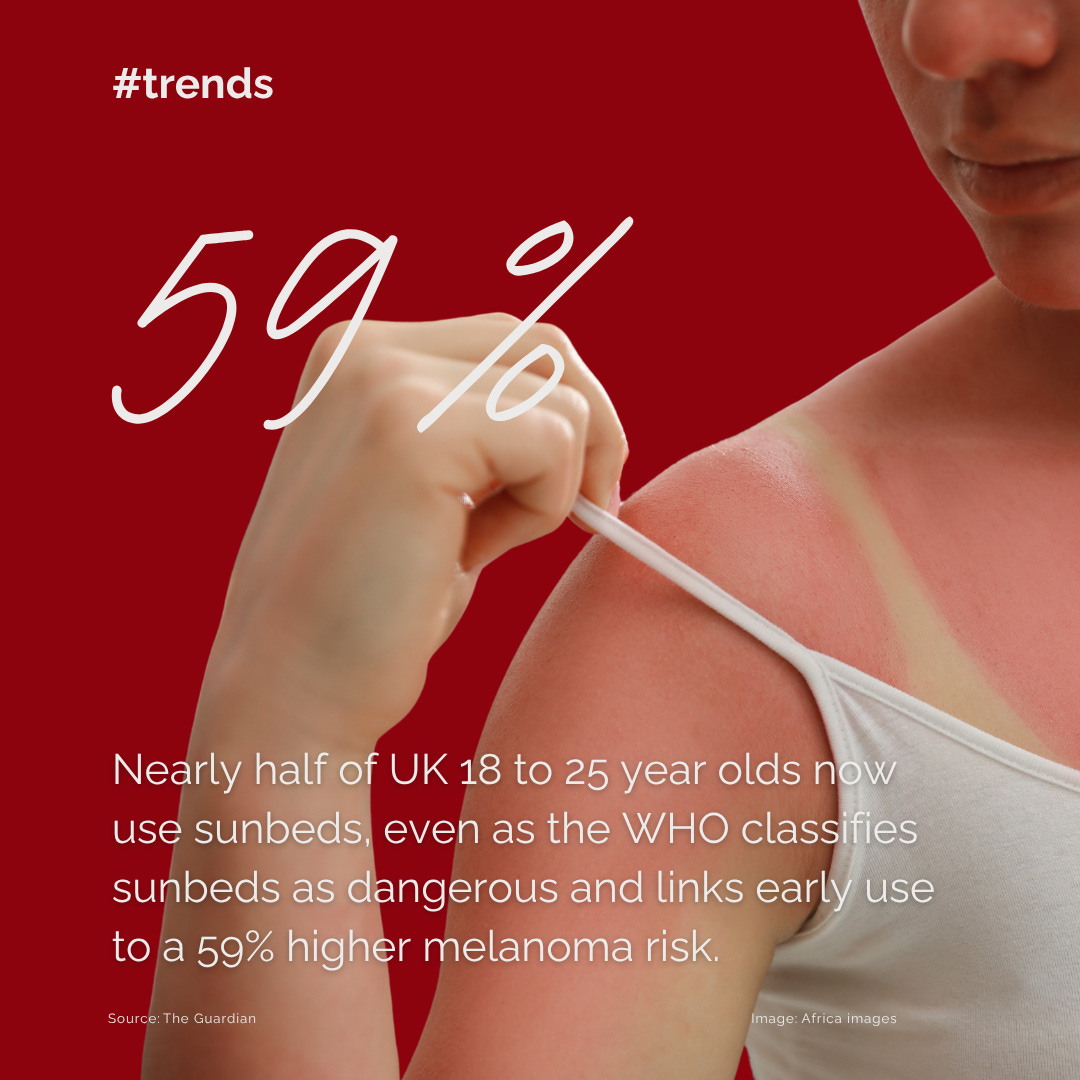
Gen Z is chasing tans despite knowing the risks. Nearly half of UK 18 to 25 year olds now use sunbeds, with some tracking UV indexes to maximise exposure or using unregulated nasal sprays containing melanotan II, even as the WHO classifies sunbeds as dangerous and links early use to a 59% higher melanoma risk. When looking healthy becomes worth risking your health, what does wellness actually mean?

The caffeine nap is gaining traction. Drink coffee, sleep 20 minutes, wake sharper. Early studies show it works by clearing adenosine while caffeine blocks receptors, but researchers admit the evidence is thin and lab-based. We’re optimising rest like it’s a productivity hack. Can sleep survive being turned into performance engineering?
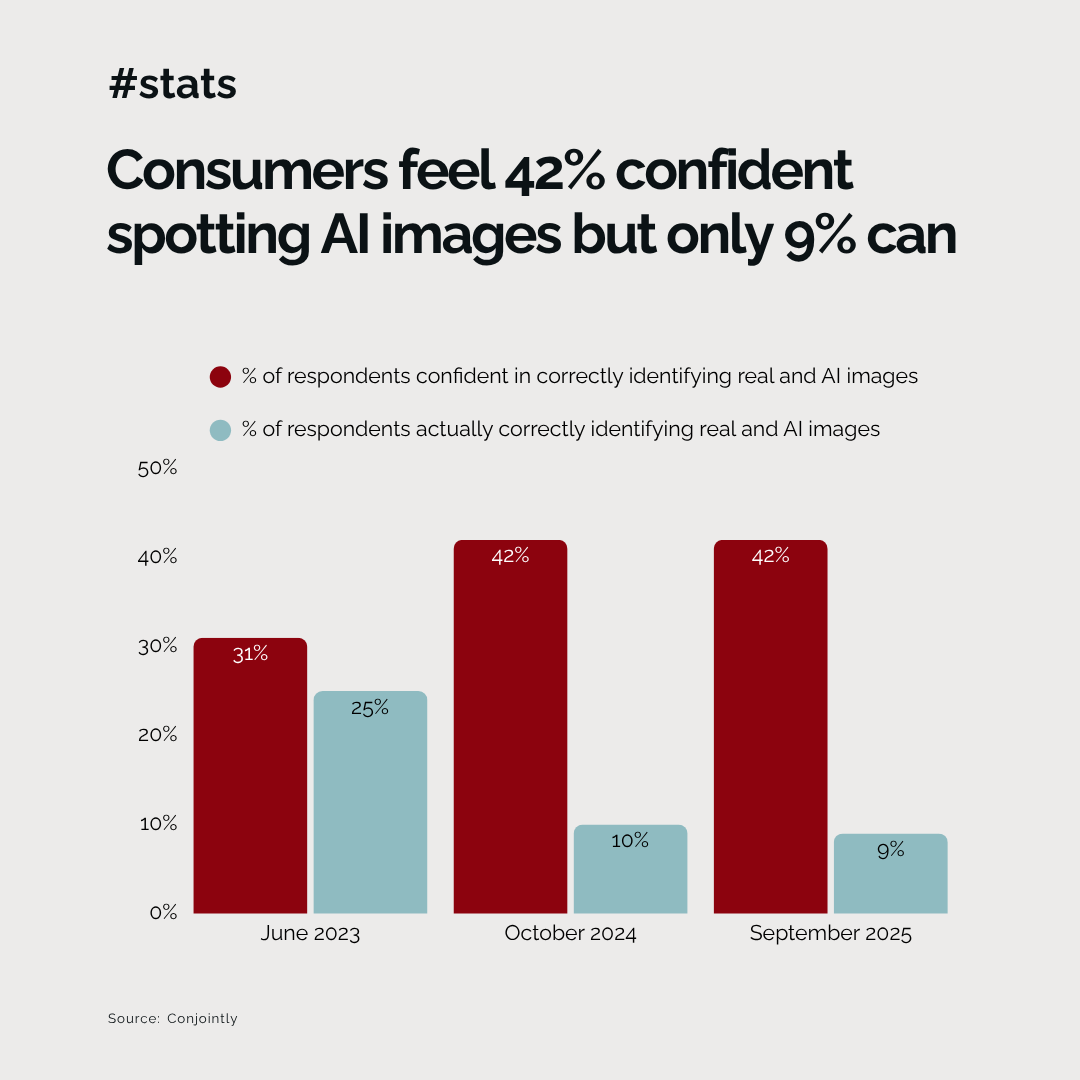
Consumers feel 42% confident spotting AI images but only 9% can actually do it. Both real and AI-generated photos hovered around 50% correct identification; pure chance. Google’s Gemini 2.5 has closed the gap so completely that experience, age, and familiarity with AI tools make no measurable difference. If nobody can tell, does transparency even matter anymore?
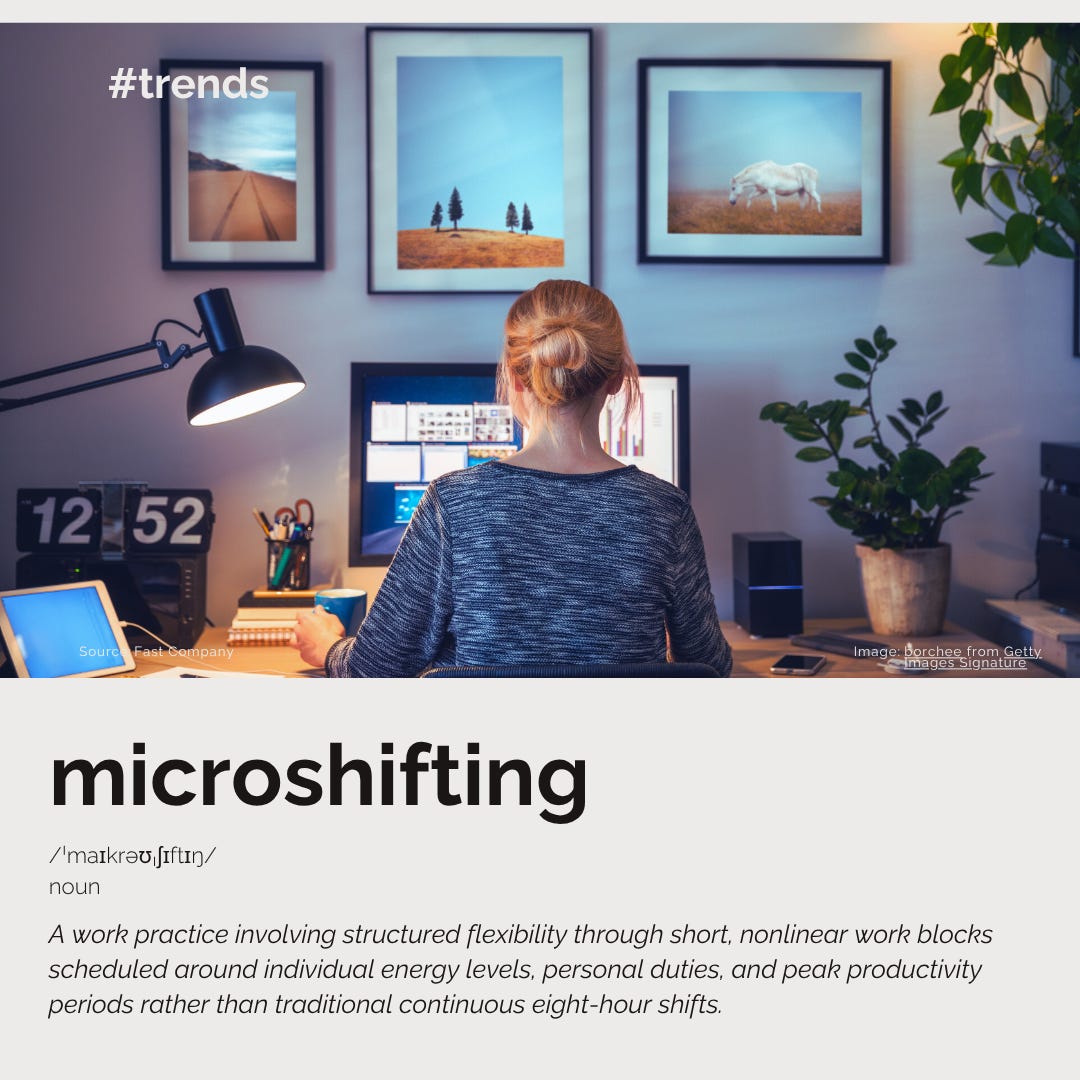
Microshifting is gaining traction as workers rethink the traditional eight-hour block. According to Owl Labs, 65% of employees now want structured flexibility through short, nonlinear work bursts matched to their energy and responsibilities, with nearly 70% of Gen Z and millennials preferring this approach. If productivity isn’t measured in seat time, does the uninterrupted workday still make sense?
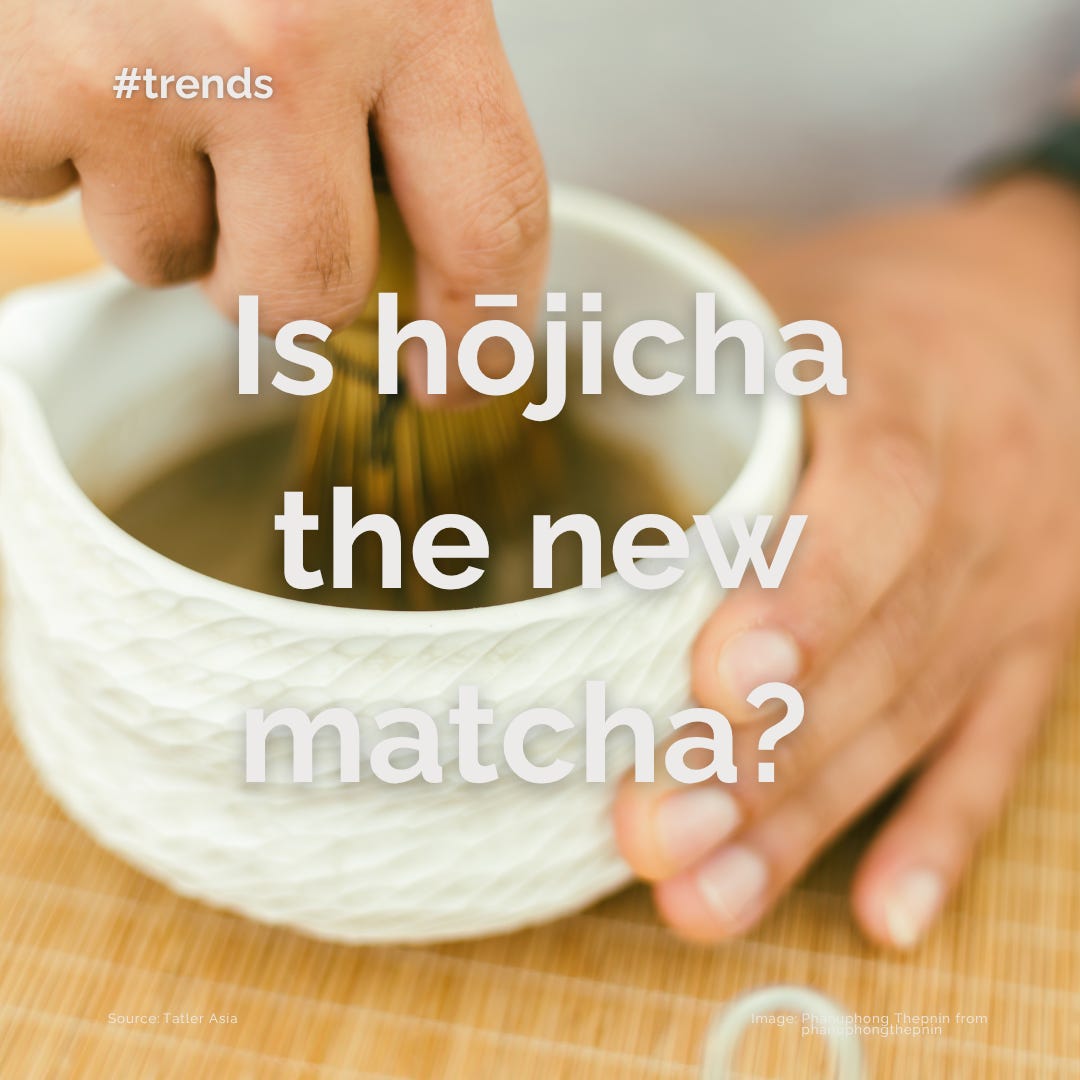
Hōjicha’s moving from Japanese kitchens to global café menus. Born in 1920s Kyoto as a way to use leftover tea leaves, this roasted green tea is now appearing in lattes and desserts worldwide: smoky, low-caffeine, and distinctly unprecious compared to matcha’s ceremonial origins. Waste reduction became signature flavour. Can simplicity compete with status in specialty beverage culture?